Insights
ESPR & DPP Insights
Plain-English ESPR and Digital Product Passport explainers and updates, written for the people who have to comply. New entries land here as the rules move.

What Happens to the Digital Product Passport After the First Sale? ESPR and the Second-Hand Market
ESPR's Digital Product Passport is written around the moment a product is placed on the market. But the passport is meant to last a product's whole life. Here's who carries it into resale, what refurbishers and remanufacturers must actually do, and where the obligations genuinely stop.

Your Ecodesign Implementing Regulation Didn't Lapse on 18 July 2024: The ErP-to-ESPR Migration Map
ESPR repealed Directive 2009/125/EC, but your ErP implementing regulations are still binding. Here's the transition map: what the 2026 and 2030 dates actually close, what migration adds, and what to do now.

SCIP Database and ESPR: Why Your DPP Substance Data Is a Different Beast Entirely
You've been filing SCIP notifications since 2021. ESPR's Digital Product Passport doesn't replace that obligation - it demands something structurally different. Here's what changes and what to do now.

The EU Battery Passport: What the Data Must Actually Say - and Why Every ESPR Product Team Should Be Watching
Every EV, LMT, and industrial battery above 2 kWh needs a digital passport by 18 February 2027. Here's exactly what data it must carry - and why this regulation is the live test for ESPR's entire DPP system.

The EU Right to Repair Directive's Annex II Scope: What the Consumer-Facing Obligation Actually Requires
Directive (EU) 2024/1799 applies from 31 July 2026. Here's exactly what the consumer-facing repair obligation adds on top of ESPR's product-level reparability requirements - and what Annex II manufacturers must do now.
The EU's Unsold Goods Destruction Ban Is Now in Force: What Large Companies Must Prove
The ban on destroying unsold textiles and footwear applies to large companies from 19 July 2026. Here's what it actually requires, who's exempt, and how to build the disclosure record regulators will ask for.
ESPR and Iron & Steel: Why This Is the Next Delegated Act to Watch
Iron and steel carry the earliest indicative delegated-act date in the ESPR Working Plan 2025-2030. Here's why they were prioritised, what the requirements are likely to cover, and what to prepare now.
The Digital Product Passport Registry Is Live: What Registration Actually Requires Before 2027
The European Commission's DPP Registry launched on 20 July 2026. Here's what registration actually requires, who has to move first, and how it connects to the QR code or NFC tag already on your product.

The Green Claims Directive Is Stalled - But EmpCo Binds You on 27 September 2026
The Green Claims Directive is stalled. But the rules that actually bind manufacturers arrive on 27 September 2026 from a different instrument entirely. Here's what EmpCo requires - and why your ESPR programme is your best defence.

How to Choose a Digital Product Passport Platform: A Buyer's Guide for 2026
Standards are published, the Registry is live, and the battery passport deadline is six months away. Here's how to evaluate DPP software on evidence, not promises.

PPWR vs ESPR: Where Packaging Law Lives, and Where the Two Regimes Genuinely Overlap
PPWR (Regulation EU 2025/40) applies from 12 August 2026 - not ESPR. Here's the definitive boundary between the two regimes, the three real overlaps, and the four mistakes compliance teams keep making.

ESPR and Online Marketplaces: What Platforms, 3PLs, and Brands Selling Through Third-Party Channels Must Know
ESPR explicitly addresses online marketplaces and fulfilment service providers. Here's what Articles 27 and 29 actually require - and where the real compliance gaps lie for platforms and 3PLs.

Digital Product Passport for Aluminium: What the ESPR Means for Producers, Extruders, and Buyers
Aluminium has its own ESPR track - delegated act indicatively 2027, DPP around 2028-2029. Here's what producers, recyclers, and buyers need to understand now about data, CBAM overlap, and scrap traceability.

ESPR Conformity Assessment: How You Prove It, Not Just What You Must Do
A practitioner's guide to ESPR conformity assessment under Regulation (EU) 2024/1781 - Annex VI vs Annex VII, the technical documentation chain, CE marking, DPP evidence, and what to build now before your delegated act lands.

ESPR Delegated Acts: A Governance Guide to the Procedure - and How to Shape It
ESPR sets almost no product rules itself. The binding requirements come through delegated acts. Here's exactly how they're made - and where your organisation can intervene.

ESPR Carbon Footprint: How PCF Data Actually Enters the Digital Product Passport
ESPR requires carbon footprint disclosure in the Digital Product Passport - but the methodology, data quality, and verification rules are more demanding than most teams expect. Here's what defensible PCF data actually requires.

ESPR and Furniture: Your Practical Roadmap to 2028 and Beyond
Furniture is a named priority in the ESPR Working Plan, with an indicative 2028 delegated-act date. Here's what's fixed, what's indicative, and what to do right now.

Digital Product Passport for Electronics and ICT: What the ESPR Means for Your Product Category
Electronics already sit under a dense EU regulatory stack. Here's how ESPR's digital product passport will reshape compliance for ICT and consumer electronics - and what the indicative 2027-2029 timeline means for manufacturers and importers today.

ESPR and Tyres: What the 2025-2030 Working Plan Means for Manufacturers, Importers, and Retreaders
Tyres are a named priority in the ESPR Working Plan 2025-2030. Here's what the ecodesign requirements, tyre DPP, and microplastics agenda mean for your compliance roadmap.

Digital Product Passport Standards Are Here: What the CEN/CENELEC EN 1821x Series Means for Your Implementation
On 27 May 2026, CEN and CENELEC published the first eight European Standards for the DPP. Here is what each standard does, why EN 18220 matters for every product team, and what to do before your delegated act lands.

Digital Product Passport for Construction Products: What CPR 2024/3110 Actually Requires
Construction's DPP comes from CPR 2024/3110, not ESPR. Here's what the revised Construction Products Regulation requires, when obligations kick in, and what to do now.

Regulation (EU) 2023/1670: What Smartphone Ecodesign Looks Like When It Actually Lands
Regulation (EU) 2023/1670 has applied since 20 June 2025. Here's exactly what it demands from manufacturers - and why it's the clearest preview of what ESPR delegated acts will require next.

ESPR Enforcement: How Penalties, Market Surveillance, and the DPP Registry Actually Work
ESPR sets no single EU fine scale - penalties are set by each Member State. Here's how market surveillance, the DPP Registry, and cross-border enforcement actually work, and what to have defensible before your delegated act bites.

ESPR Recycled Content Requirements: How the Mechanism Works and What to Do Now
ESPR sets no recycled content thresholds itself - the numbers live in delegated acts. Here's how the mechanism works, when requirements bite, and how the DPP verifies claims.

Does ESPR Apply to Non-EU Companies? A Supply Chain Compliance Guide
ESPR applies to every economic operator placing products on the EU market - regardless of where they were made. Here's how compliance duties split across non-EU manufacturers, importers, authorised representatives, and distributors.

Digital Product Passport for Textiles: The Compliance Guide for Fashion Brands
The EU's ESPR mandates a Digital Product Passport for textiles. Here's what fashion brands and compliance leads need to know about scope, timeline, data fields, and how to prepare now.

Substances of Concern in the Digital Product Passport: What ESPR's Widened Definition Means for Your Supply Chain
ESPR's substances of concern definition goes well beyond REACH SVHCs. Here's exactly what the DPP must disclose, why the scope is wider than you think, and what supply-chain data you need to collect now.

EU Right to Repair Directive: What Manufacturers Must Have in Place by 31 July 2026
Directive (EU) 2024/1799 takes effect 31 July 2026. Here's how it interlocks with ESPR's repairability rules - and the concrete steps manufacturers must complete before the deadline.

The EU Battery Passport: The First Hard DPP Deadline - and What It Signals for Every Other Product
The EU battery passport becomes mandatory on 18 February 2027 under Article 77 of Regulation (EU) 2023/1542. Here's what it requires, who it hits, and why it's the blueprint for every ESPR Digital Product Passport that follows.

The EU Central DPP Registry: What It Is, What It Does, and Why 19 July 2026 Matters
The EU Central DPP Registry goes live 19 July 2026 - not as a data store, but as a directory that routes product identifiers to passport data. Here's what manufacturers and importers need to know.

ESPR for SMEs: No Blanket Exemption, But a Clear Path Forward
ESPR does not exempt SMEs from ecodesign or Digital Product Passport requirements. Here's what small and mid-sized manufacturers, importers, and distributors actually face - and how to prepare.

ESPR and Mandatory Green Public Procurement: What Article 65 Means for Buyers and Suppliers
ESPR's Article 65 gives the Commission power to make green public procurement mandatory across the EU. Here's what that means for contracting authorities and the suppliers who sell to them.
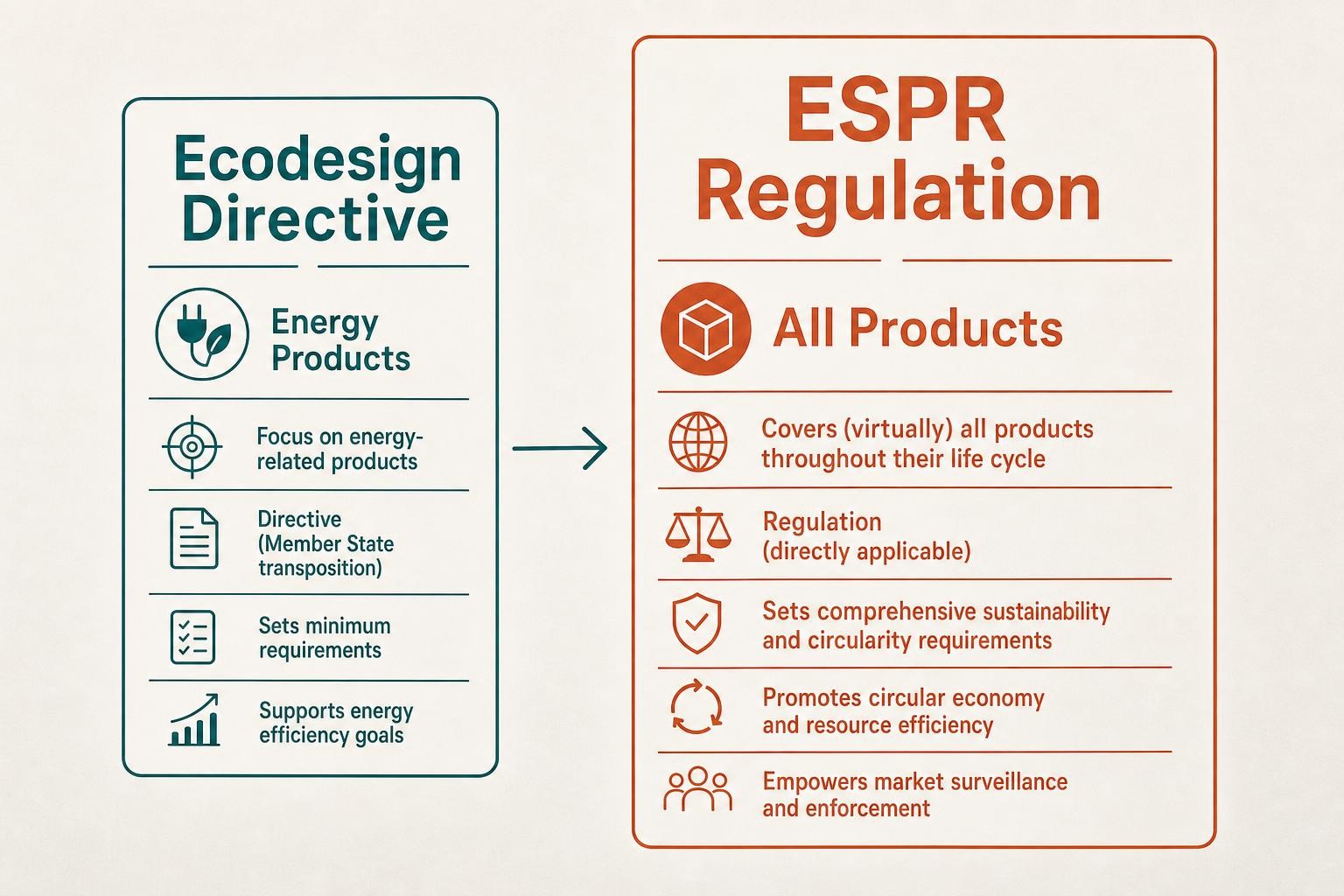
ESPR vs the Ecodesign Directive: What Actually Changed, and Why It Matters
ESPR (Regulation (EU) 2024/1781) replaced the Ecodesign Directive on 18 July 2024. Here's a precise before/after breakdown of the three structural shifts that matter most.
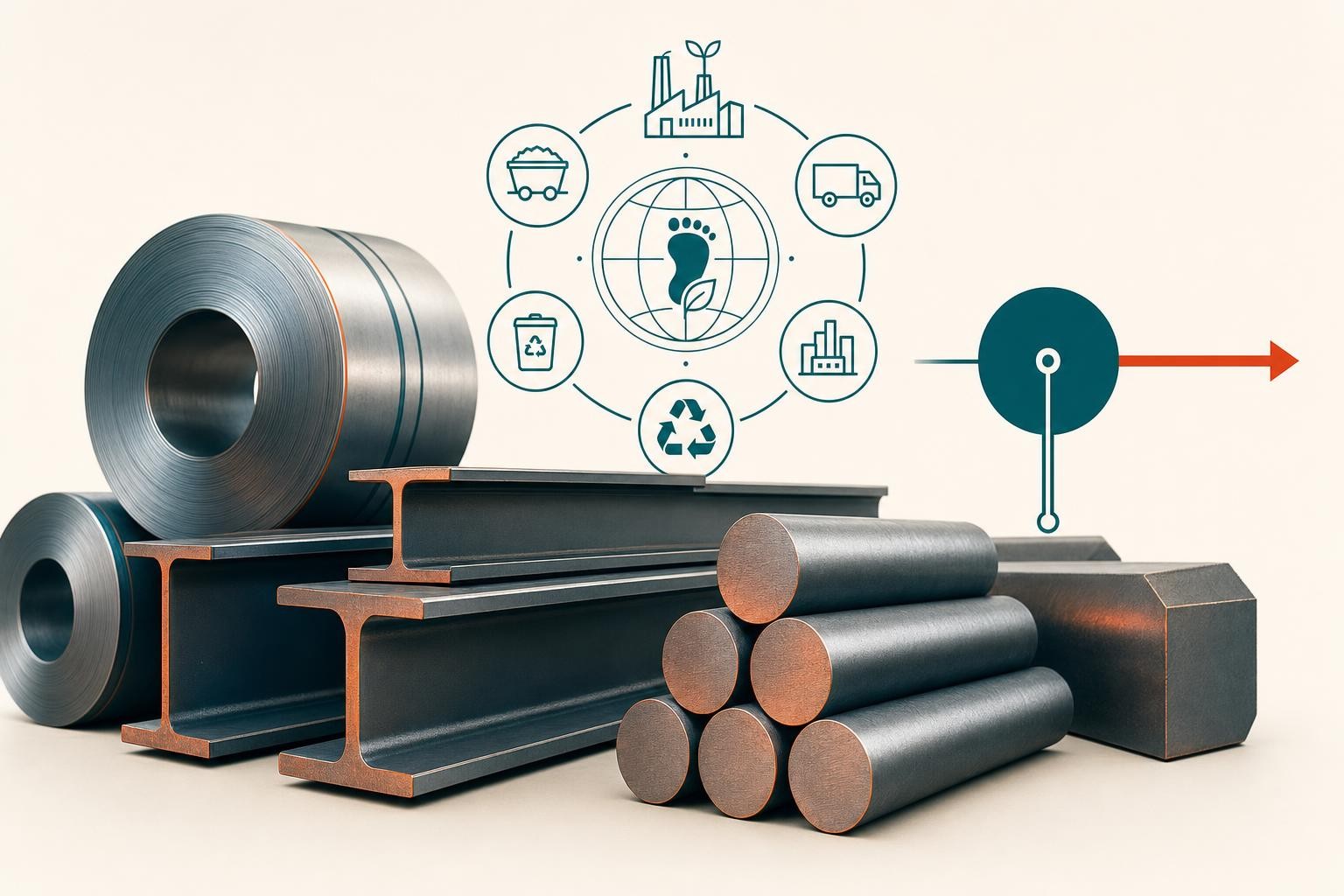
ESPR Iron and Steel: What the First Delegated Act Means for Producers and Heavy-Industry Buyers
Iron and steel is the first product group queued for an ESPR delegated act, with indicative adoption in 2026. Here's what producers and buyers need to know - and do - right now.
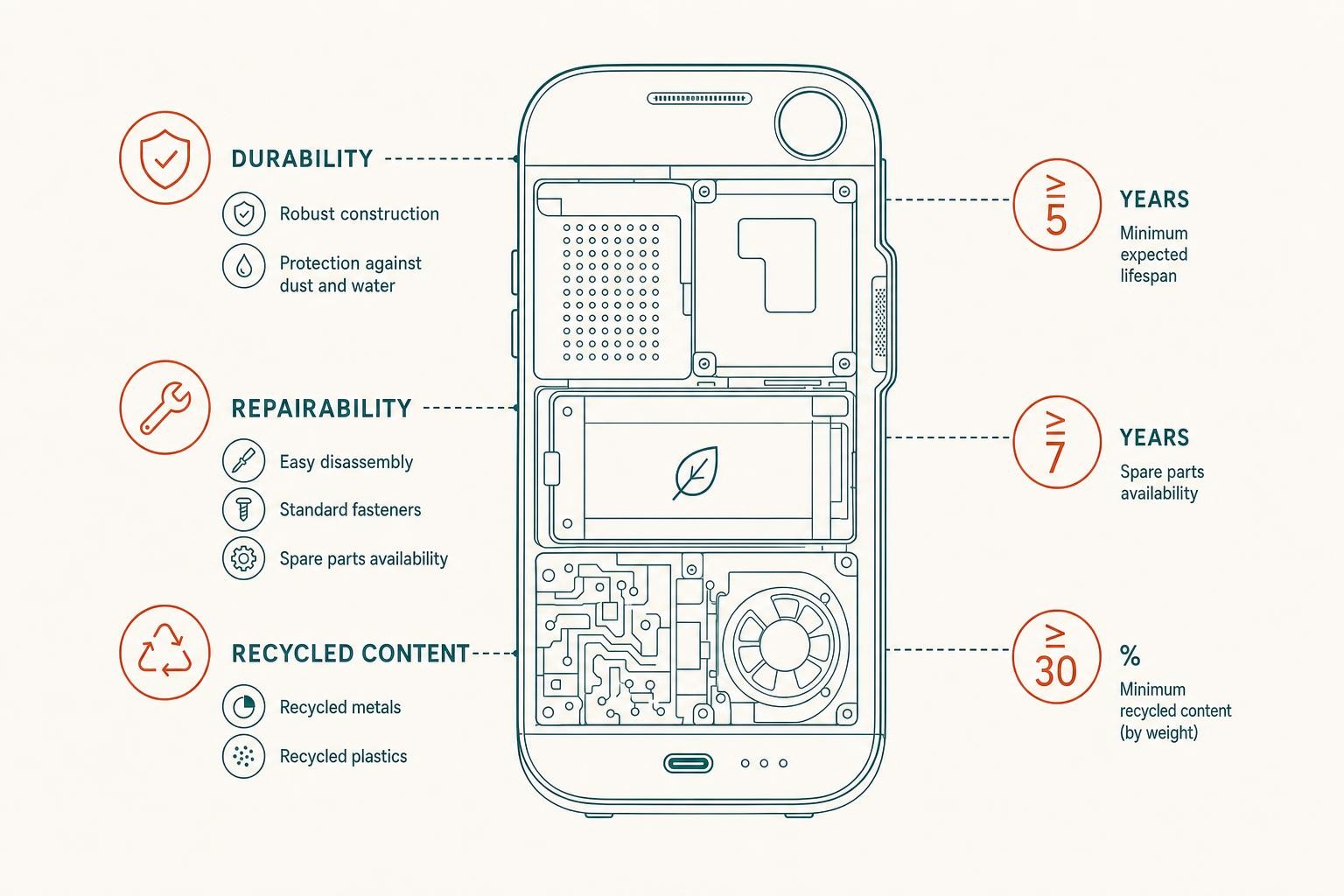
ESPR Ecodesign Requirements Explained: What the Rules Actually Demand
ESPR doesn't regulate products directly - delegated acts do. Here's what kinds of rules they can impose: performance thresholds on durability, repairability and recycled content, plus information requirements via the DPP.

The ESPR ban on destroying unsold textiles: what large firms must do by 19 July 2026
From 19 July 2026, large companies can no longer destroy unsold textiles, clothing accessories and footwear. It's one of the few firm ESPR dates. Here's who's in scope, what counts, and the disclosure that comes with it.

What goes in a Digital Product Passport? The data, the carrier, and who sees it
A Digital Product Passport is more than a QR code. Here's the data it carries, the carrier that links to it, the decentralised model behind it, and why most exact fields are still "expected" rather than fixed.
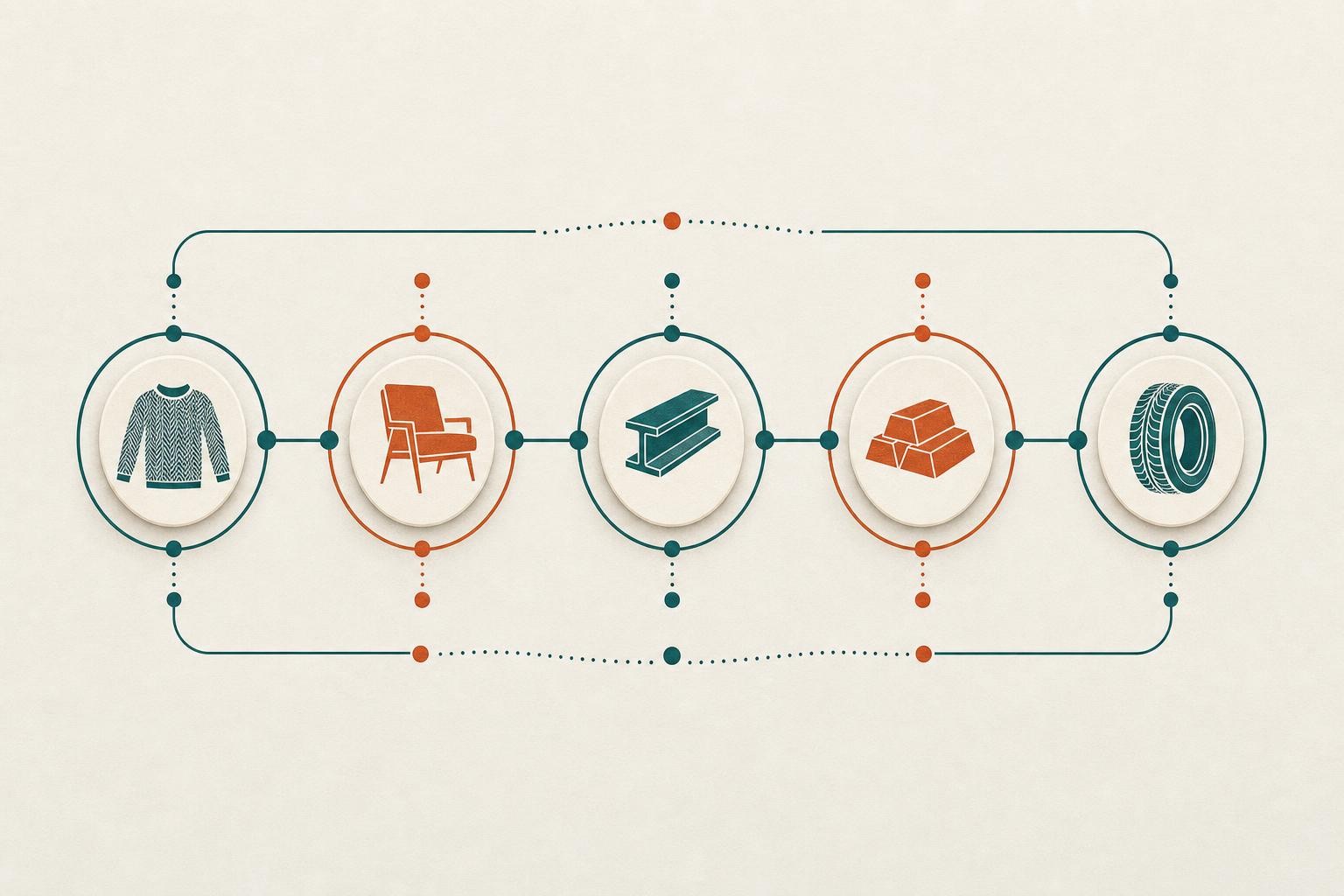
The 2025–2030 ESPR Working Plan: which products come first
The first ESPR Working Plan names the products that get ecodesign rules and Digital Product Passports first. Here's the order, the indicative dates, and how to tell "indicative" from the two dates that are actually fixed.