The EU Digital Product Passport Registry Is Live: How Economic Operators Actually Register
The Digital Product Passport has stopped being a concept. The Commission's DPP Registry is now operational, and it is the first piece of the system a manufacturer, importer or authorised representative will actually have to log into. Reports differ slightly on the go-live date: the Commission's DPP page points to 20 July 2026, while a Build-Up news item dates the launch to 21 August 2026. What matters for planning is that it is live, and that the first hard deadline, 18 February 2027 for large batteries, is now less than five months away.
What the registry is, and what it is not
The registry stores the unique identifiers and the mandatory registration data for passports. It does not host your passport content. The passport itself stays with you or your chosen service provider; the registry is the lookup layer that lets authorities, and eventually customs, confirm that a passport exists for a given product. Companies can work through a web interface or through an API that plugs into existing systems.
Stage one: enrolling your organisation
According to a registration walkthrough from euverify, the process has two stages, and the first is about the company rather than the product:
- Sign in with EU Login.
- Enter organisation details: legal name, address, country and an organisation identifier such as a VAT number (or an alternative such as an LEI).
- Designate a legal representative with contact details.
- Download the Commission-issued declaration and seal it digitally.
- Upload the sealed declaration and wait for verification.
The step that catches teams out is the seal. An ordinary e-signature is reportedly not accepted; the declaration needs a qualified electronic seal (QSeal). Qualified seals are issued by trust service providers and can take days or weeks to procure, so this is the item to start now rather than the week you need to register.
Stage two: registering passports
Once enrolled, each product is registered against its Unique Product Identifier. The identifier is URL-based and has to follow the European standards, notably EN 18219 on unique identifiers for products, operators and facilities. You can submit passports one at a time through an online form, or upload batches of up to 100 in XML or JSON. Model and batch identifiers are optional additions. Teams with large catalogues should assume the API route from day one, because manual forms do not scale to thousands of SKUs.
Who carries the obligation
Registration falls on the economic operator placing the product on the EU market. That can be the manufacturer, an importer, an authorised representative, and in some cases a distributor or fulfilment provider. A non-EU seller will typically register through an EU-established representative. This matters contractually: if your importer is the registering party, make sure your supply agreements say who owns the identifier, who pays for the seal, and who is liable if a passport is missing at the border.
Why customs makes this more than a paperwork exercise
The registry is designed to let customs electronically check that a product has a valid passport before release for free circulation. Full integration with customs systems is anticipated around 2029, so border checks are not the near-term pressure. But the direction is clear: an unregistered product will eventually be a product that cannot clear.
What to do before February 2027
Treat the registry as an enrolment project with a lead time. Obtain a QSeal, decide who in your organisation holds the legal-representative role, agree identifier conventions with your DPP provider, and test a small batch in the registry before volume matters. Transition periods of at least 18 months apply after each product-specific delegated act is adopted, so for most categories the real work is still ahead of you. Batteries are the exception, and they are the rehearsal for everyone else.
Details on fees and the full data schema were not published in the sources we reviewed, so confirm both against the Commission's registry documentation before you budget.
Related reading
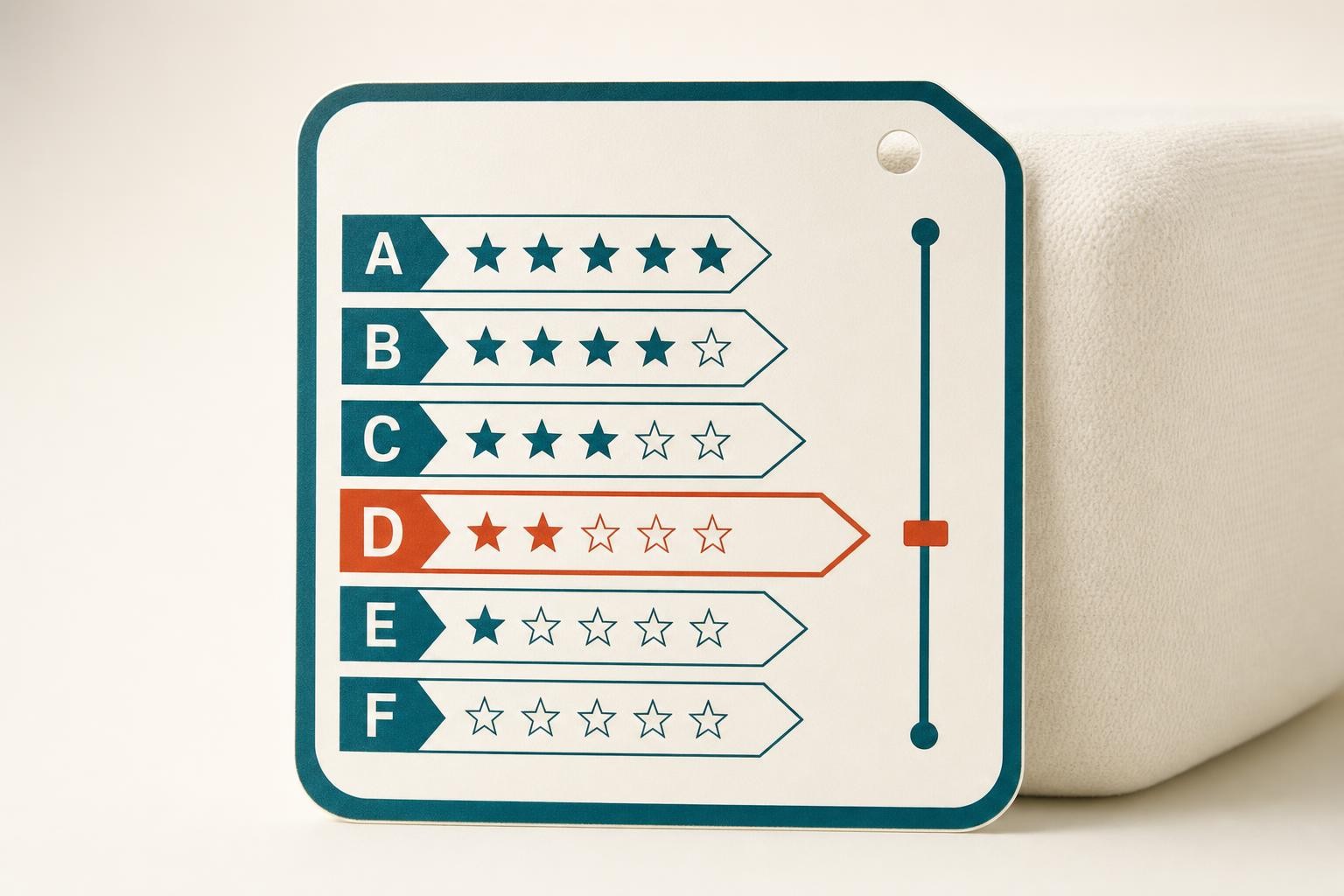
ESPR Performance Classes: The Ranking System That Makes Compliance Irrelevant to Competitiveness
ESPR's classes of performance rank compliant products against each other. A product can be fully lawful and still be publicly graded near the bottom of its category. Here's what that means for your product roadmap.
Who Sees What in a Digital Product Passport: Access Rights, Customs and Confidential Business Data
A passport is not a public web page. ESPR gives consumers, repairers, recyclers, authorities and customs different views of the data. Here is how role-based access works, what the pending security standards add, and how to protect trade secrets.
The ESPR Textiles Delegated Act: What the Draft Is Expected to Require from Apparel Brands
The textiles delegated act is the next big ESPR measure for fashion. Here is what the JRC preparatory work points to on durability, recyclability of mixed fibres and data points, the likely timeline, and how brands should prepare now.